The difference between organic and conventional cotton lies in how the plant is grown and how the fibre is handled afterwards, not in how the finished cloth feels. Organic cotton comes from plants that are not genetically modified, grown without synthetic fertilisers or pesticides, and certification follows it through each processing stage. On a mat, organic and conventional cotton of the same yarn and weave feel much the same.
What organic cotton actually is
Cotton fibre is almost pure cellulose, however the plant was grown (Wikipedia: Cotton). "Organic" describes the farming: cotton from plants that are not genetically modified, certified as grown without synthetic agricultural chemicals such as fertilisers and pesticides (Wikipedia: Organic cotton). Because organic farmers cannot use synthetic substances, the FAO explains, they rely on crop rotation, biological pest control and recycled organic matter instead. Organic cotton is less a different fibre than a different farming system.
Conventional cotton may use synthetic fertilisers, insecticides and herbicides, and in India most of it is grown from genetically modified Bt varieties. Research cited on Wikipedia found Bt cotton raised yields and incomes for many smallholders, so conventional cotton is no villain.
Side by side
| Organic cotton | Conventional cotton | |
|---|---|---|
| Seed | Not genetically modified | Often genetically modified (in India, mostly Bt) |
| Synthetic fertilisers and pesticides | Not used | Permitted |
| Yield per hectare | Typically lower | Typically higher |
| Proof | Third-party certification and chain-of-custody records | None required |
| The fibre | Cellulose | Cellulose |
| Feel on a mat | Set by yarn, ply and weave | Set by yarn, ply and weave |
Will an organic cotton mat feel different?
Mostly, no. What you feel under your palms is decided by the yarn, the number of plies, the weave and the finishing. Organic and conventional yarn of the same count, woven on the same loom, would be hard to tell apart.
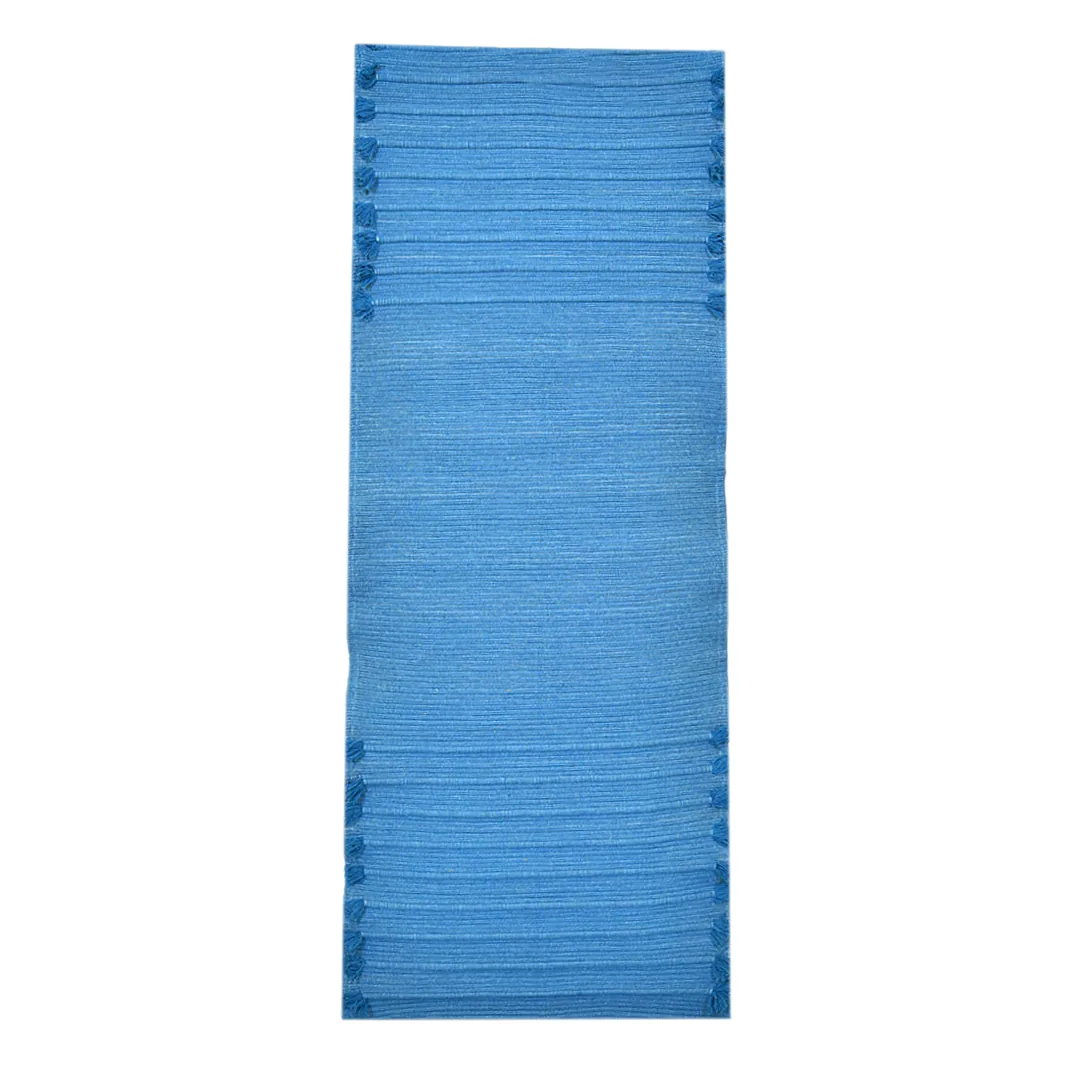
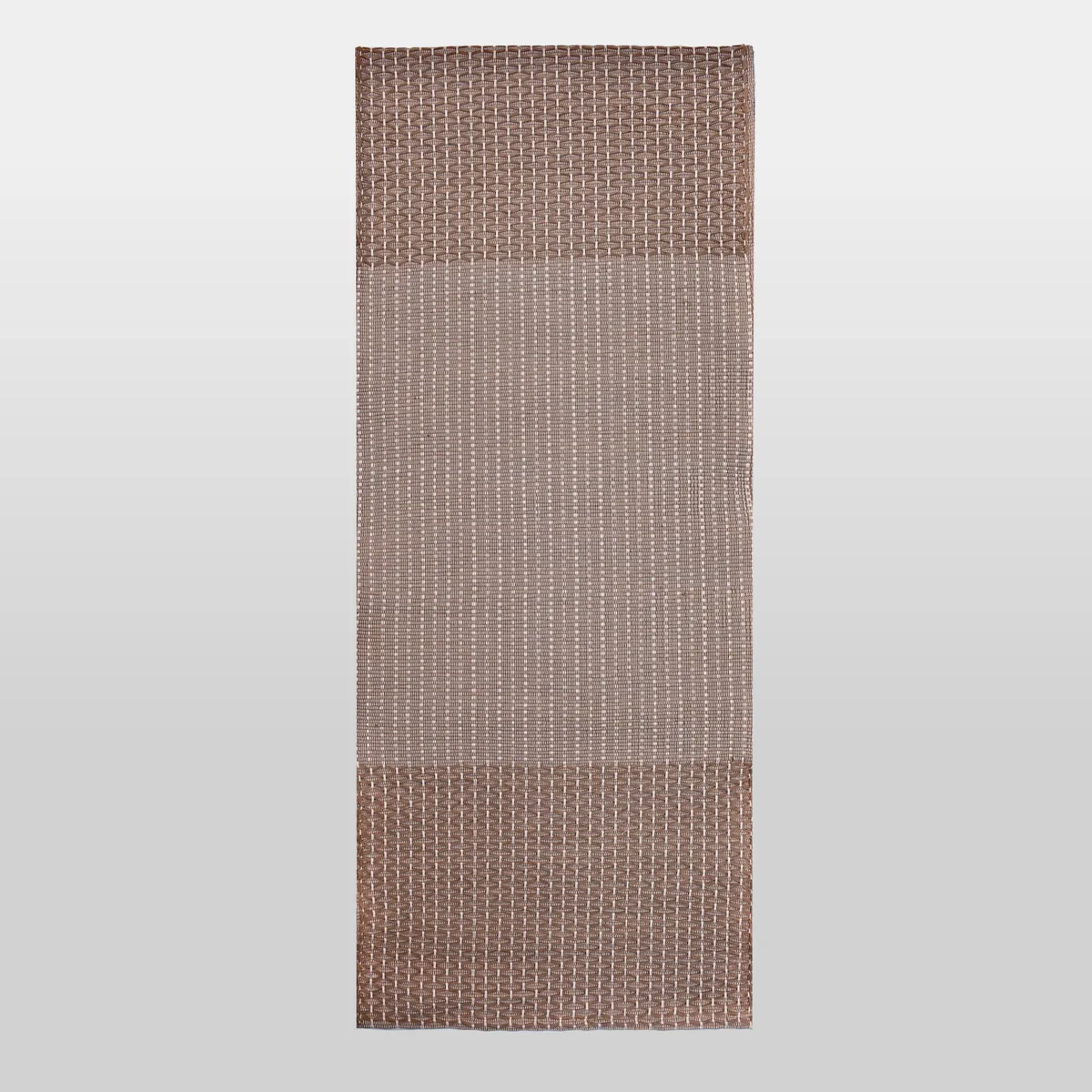
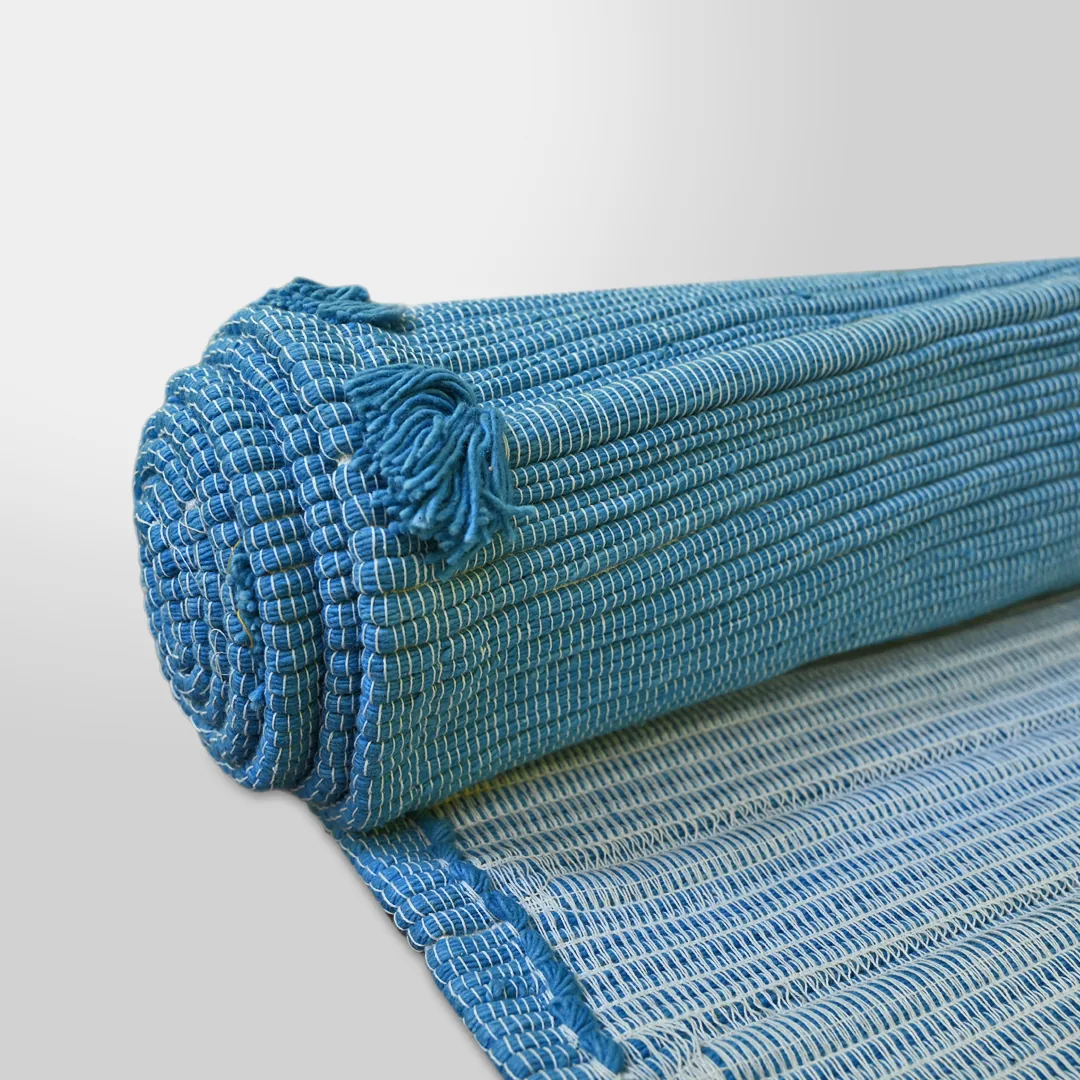
So we never sell organic cotton on feel. The Indico feels the way it does because of its ribbed weave; the Diamond Clay because of its raised 7 mm diamond lattice. Both are woven from GOTS-certified organic cotton, but the softness, grip and cushion come from the loom.

What certification adds
Anyone can call cotton organic; certification makes the word checkable. The Global Organic Textile Standard (GOTS) key features page sets out what it requires:
- Fibre content: at least 95% certified organic fibre for an "organic" label, at least 70% for "made with organic materials".
- Processing: every stage from organic fibre processing to the finished product is certified.
- Chemicals and environment: restrictions on chemical inputs and requirements for processing.
- Social criteria: safe working conditions, no child or forced labour, freedom of association.
- Traceability: on-site audits by accredited certification bodies, and transaction certificates as material changes hands.
GOTS is about the fibre and how it is processed and traded. It says nothing about grip, thickness or how long a mat lasts, and it covers only what is certified.
What this means on our mats
We hold GOTS certification for our organic cotton. On the chakra rugs, the Diamond mats, Indico and the cotton in Sambu Frame you will see "GOTS-certified organic cotton". We do not call the whole mat certified, and never use the term for our grass or banana fibre mats.
Two parts of a mat sit outside that claim. The underside has a thin layer of natural tree latex, brushed on by hand so the mat holds on tile, marble and wood; if you are allergic to natural latex, choose with care and write to us first. And the colours come from plant dyes such as indigo, turmeric and alkanet root. Our article on what GOTS-certified organic cotton means on a yoga mat covers the scope in detail.
Is organic cotton worth paying more for?
If you care how the fibre was grown and want a paper trail behind the word "organic", certification is the way to get it. If you care only about performance, organic status will not change it; the weave, thickness and backing will.
Organic farms typically harvest less per hectare and every certified stage is audited, so organic yarn tends to cost more. Lower yields also complicate environmental comparisons, since water use per kilo can look higher simply because each field produces less. We look at the wider picture in is a cotton yoga mat eco-friendly?
At the time of writing, the Indico is ₹4,499 and the Diamond Clay ₹4,450, covering hand weaving, plant dyeing and the organic cotton itself.
Frequently asked questions
What is the main difference between organic and conventional cotton?
How it is grown and verified. Organic cotton comes from non-genetically modified plants grown without synthetic fertilisers or pesticides, and a certified product is audited through each processing stage. Conventional cotton may use synthetic inputs and, in India, is mostly grown from Bt seed.
Does organic cotton feel softer than regular cotton?
Not in itself. Softness comes from the yarn, ply, weave and finishing, so organic and conventional cotton woven the same way feel very similar. If one mat feels softer, look at how it was woven before crediting the word organic.
Does GOTS certify the whole yoga mat?
GOTS covers textiles made from organic fibres, with labels at 70% and 95% certified organic content, and it covers processing, chemical inputs, social criteria and traceability. It does not judge grip or durability. On our mats it applies to the cotton, which is why we say "GOTS-certified organic cotton", not "GOTS-certified mat".
Is organic cotton always better for the environment?
It avoids synthetic fertilisers, synthetic pesticides and genetically modified seed, which many buyers value. Per-kilo comparisons are harder because organic yields are usually lower and results vary by region and study. Ask what a specific product can prove.
To feel how much the weave matters, compare the ribbed Indico with the raised lattice of the Diamond Clay, or browse all our cotton mats.