Natural dyes are not automatically kinder to a river than synthetic ones. Plant colour still needs water to scour, mordant, dye and rinse the cloth, and most plant dyes are fixed with a metal salt; synthetic dyes are petrochemical but consistent and efficient at scale. What matters most is how much is dyed, what fixes it, and where the water goes afterwards. We dye our own cotton with plants in Kattur, Komarapalayam, and we would rather explain that honestly than wave the word "natural".

Where the two kinds of dye come from
Synthetic dyes date from 1856, when William Perkin made the purple dye mauveine by accident while trying to synthesise quinine, and the industry that followed drew its raw materials from coal tar; today's dyes are petrochemical. They took over fast: commercial dyeing with natural dyestuffs was fast disappearing by the 1870s.
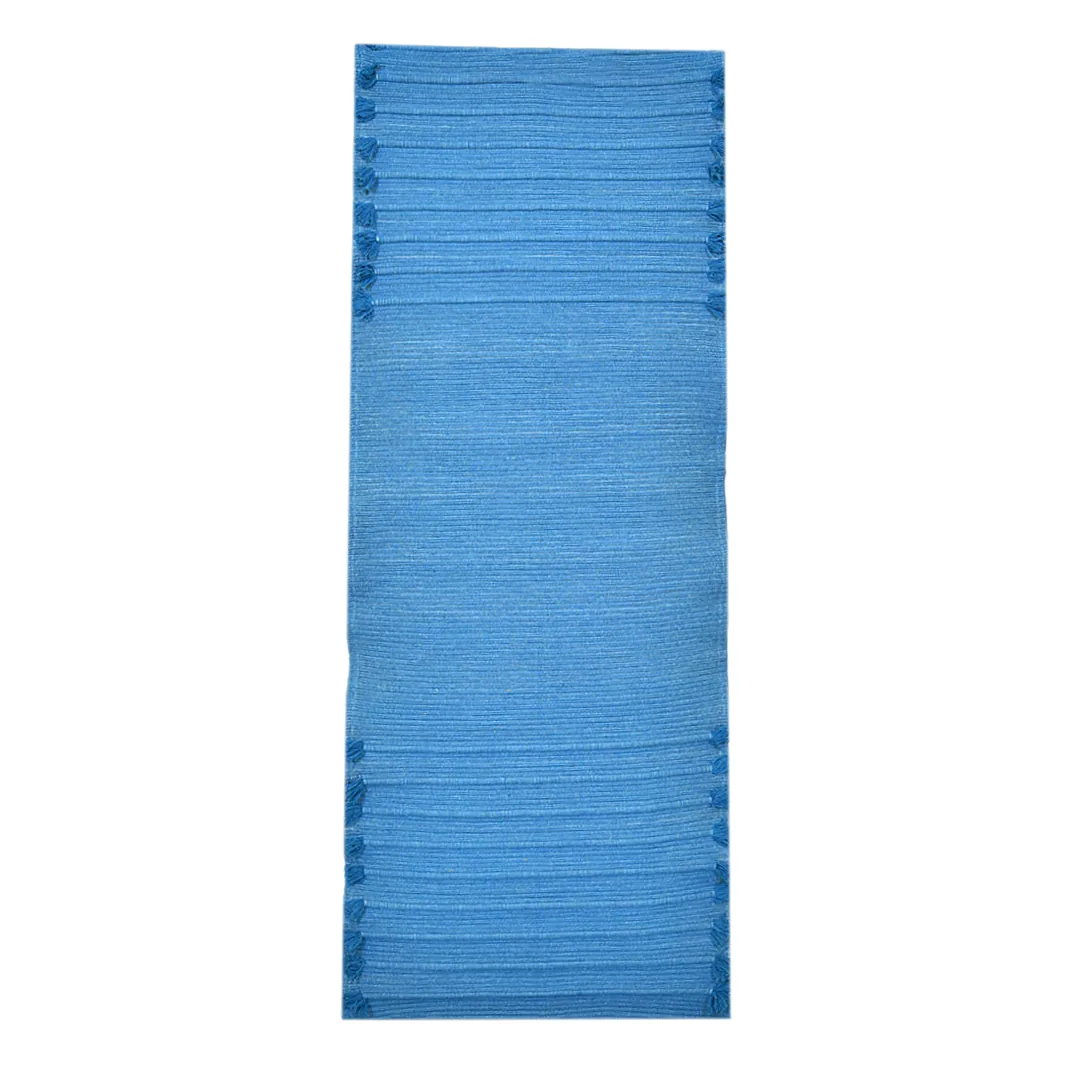
Indigo tells the story in one plant. By 1897 BASF had a viable synthetic process, and plant-grown indigo production fell from about 19,000 tonnes in 1897 to about 1,000 tonnes by 1914. The blue on our Indico is the older kind, from indigo leaves, now the exception rather than the rule.
What natural dyeing really uses
Water. Cotton must be scoured before it will take colour, then mordanted, dyed, and rinsed until the water runs clear. Each step is a bath. Our care notes say a little colour in the first rinse is normal; the same is true in the dye shed, many times over.
Mordants. The majority of plant dyes require a mordant, a substance that binds the colour to the fibre. Mordants are mostly metallic salts of aluminium, chromium, copper, iron, tin or lead, along with tannins. Alum and iron are the traditional workhorses; a dyer who uses chrome, tin or lead has a waste problem whatever the dye plant was. Indigo is the exception: it needs no mordant, but it is insoluble in water and must be chemically reduced before it can be applied.
Land. Colour from plants means growing or gathering plants. Turmeric, indigo and alkanet are crops or wild harvests before they are dyes.
Variation. Plant colour differs between batches and softens over years. We present this as the nature of plant colour, and mean it, but it also means plant dyeing is hard to run at industrial scale with industrial consistency.
What synthetic dyeing really uses
Synthetic dyes are precise, repeatable and economical per metre of cloth, which is why most of the world's textiles use them. Their weaknesses are the obvious ones: fossil raw materials, and coloured effluent from dyeing and finishing that must be treated before it reaches a river. Whether it is treated is a question about the factory, not the molecule. The Global Organic Textile Standard, which certifies our cotton, lists chemical input restrictions and wastewater treatment among its environmental criteria for this reason: it governs what goes into the bath and what comes out of the drain, not whether the colour was plant or petroleum.
Side by side
| Natural (plant) dyes | Synthetic dyes | |
|---|---|---|
| Raw material | Leaves, roots, rhizomes, bark; farmed or gathered | Petrochemicals (historically coal tar) |
| Water | Scouring, mordanting, dyeing, rinsing baths | Scouring, dyeing, rinsing baths |
| Fixing | Metal-salt or tannin mordants for most; none for indigo | Built into the dye chemistry or applied as auxiliaries |
| Consistency | Varies between batches; softens over years | Repeatable shade; strong fastness |
| Scale | Small batches; hard to industrialise | Industrial |
| Effluent | Spent mordant and plant matter | Coloured chemical effluent needing treatment |
Neither column is clean. The honest difference is that a small plant-dye shed produces a small quantity of waste from simple, mostly traditional inputs, and a large synthetic dyehouse produces a large quantity that depends on treatment plants working.
What we do in Kattur
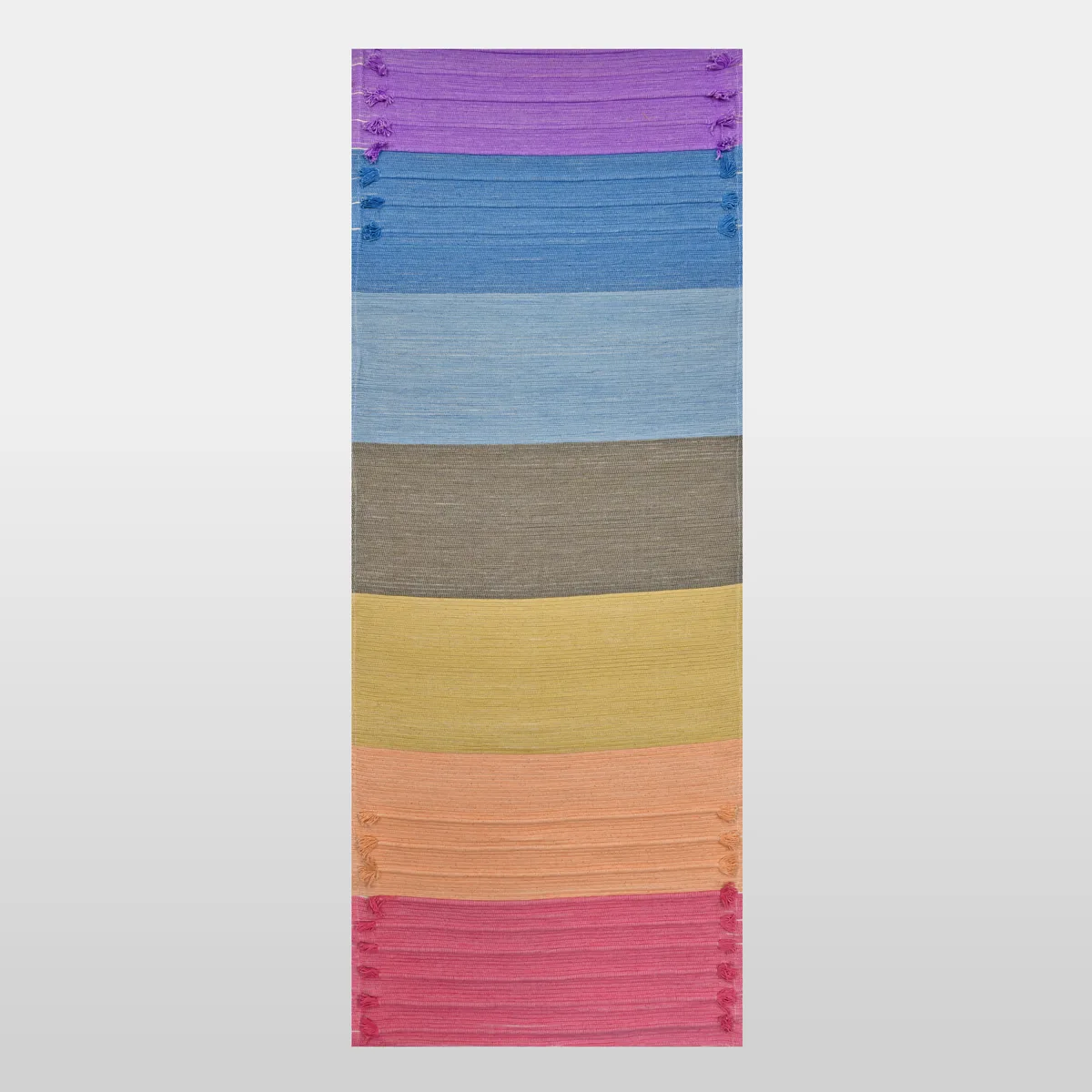
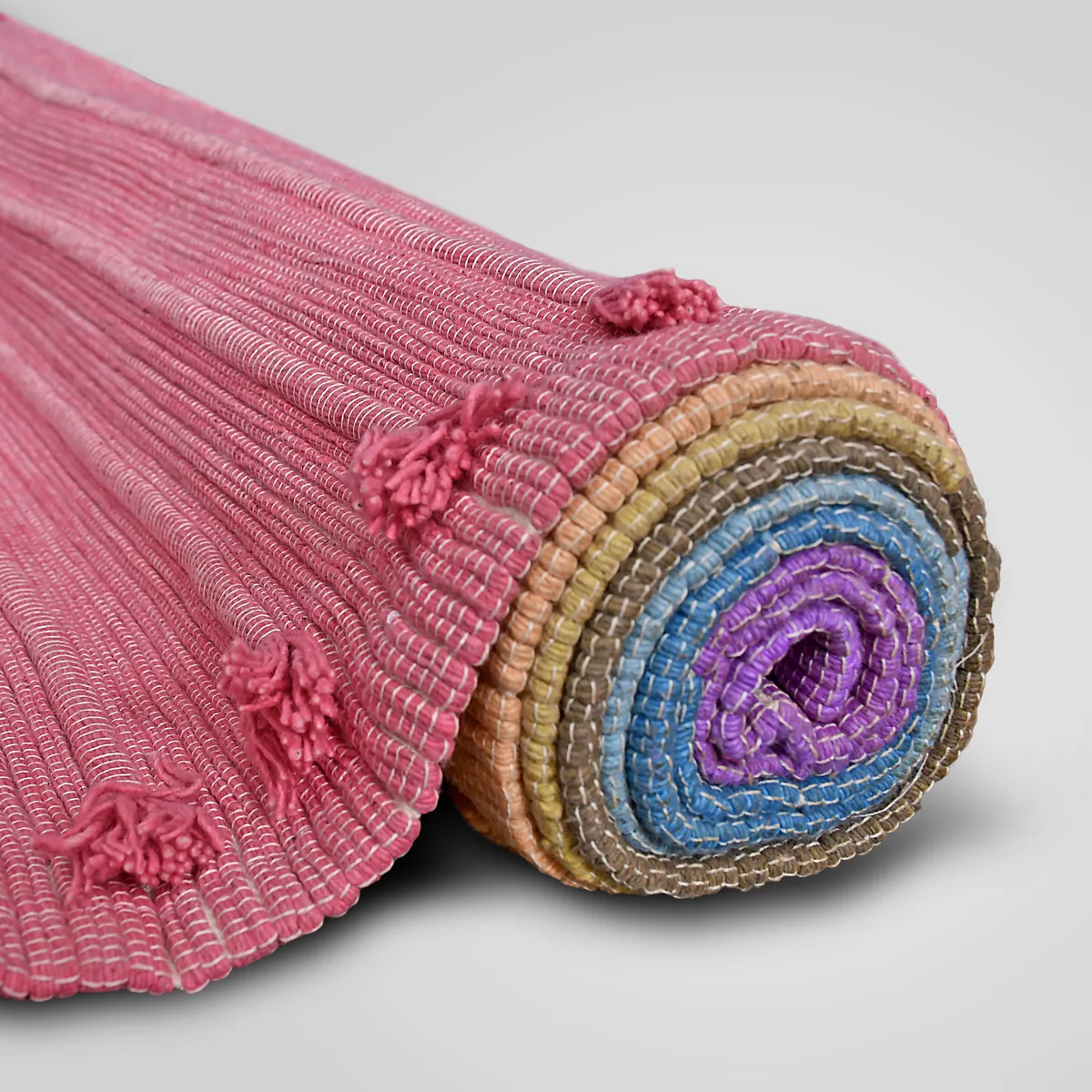
We dye our own cotton, in our own dyeing, in small batches. The plants are indigo leaves, turmeric rhizome, alkanet root, tulsi and neem, and the chakra rugs such as the Prana Shakti draw on more than twenty herbs. We mordant, as nearly every plant dyer must. We have not published a figure for water used per mat, because we have not measured it to a standard we would stand behind, and we will not guess one here. If you want to know which mordant fixed the colour on a particular mat, ask through the Contact page and we will tell you. What the work looks like is in a day in the dye shed, and the plants are covered in herbal and plant dyes on yoga mats.
Frequently asked questions
Are natural dyes better for the environment than synthetic dyes?
Not automatically. Plant dyes avoid petrochemical raw materials, but most need a metal-salt mordant and all need water for scouring, dyeing and rinsing. Synthetic dyes are efficient and consistent, and their main harm is untreated coloured effluent. The fairer comparison is between a small shed with simple inputs and a large dyehouse with or without effluent treatment.
Do natural dyes use mordants?
Most do. A mordant binds the dye to the fibre; the common ones are salts of aluminium (alum), iron, copper, tin, chromium or lead, plus tannins. Indigo is the main exception, needing no mordant but having to be chemically reduced before it will dissolve.
Is natural indigo still used commercially?
Rarely. After BASF's synthetic process of 1897, plant indigo production fell from roughly 19,000 tonnes to about 1,000 tonnes within two decades. Our Indico is dyed with indigo from leaves, which is why its colour varies slightly and softens with washing.
Does GOTS certification cover the dyes on your mats?
GOTS certifies our organic cotton and sets environmental criteria, including chemical input restrictions and wastewater treatment, for processing certified textiles. We say "GOTS-certified organic cotton" about the cotton; we do not call the finished mat GOTS-certified.
To see what plant colour looks like after it leaves the vat, start with the Indico or the seven bands of the Prana Shakti, and read the care notes on each page before you choose.